Ethiopia Bets on Billions of Seedlings to Reverse Forest Loss
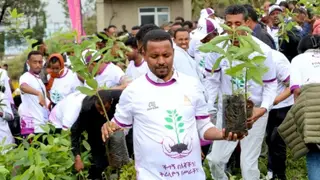
Ethiopia is pursuing one of the world’s largest tree-planting campaigns after decades of deforestation worsened soil erosion, flooding, and drought. Land degradation costs the country billions each year and contributes to food insecurity for millions of people. The article examines whether this reforestation effort can restore native forests and build resilience, while noting that similar campaigns elsewhere have often fallen short.
Ethiopia’s forest cover fell from roughly 35–40% in the early 1900s to under 3% by 1989. As trees disappeared, steep highland farms lost fertile soil; by the late 1980s, the highlands were shedding about 1 billion metric tons of topsoil annually. Land degradation now costs an estimated $4.3 billion each year.
In response, more than 47 billion seedlings have been planted nationwide over seven years, with a goal of 50 billion by 2030. One farmer in Gurage Zone planted 130 seedlings on his land and a communal area. Researchers caution that even partial survival could still represent a major gain.
Ethiopia’s campaign could affect millions of farming households by slowing soil loss, improving water retention, and potentially supporting harvests. If trees survive, rural communities may gain shade, fuel, and more resilient land; food-insecure populations could benefit indirectly through steadier local food production. However, results may take years and depend on maintenance, climate, and whether planted species suit local conditions. Urban consumers might also feel effects through food availability and prices.