Apps help detect nearby smart glasses and curb covert recording
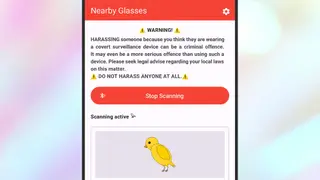
Smart glasses are becoming more common, raising concerns about unnoticed photo and video capture. Two apps, Nearby Glasses and ZuckOff, scan Bluetooth signals to alert users when smart glasses are nearby. Some venues, like New York courts, have started banning the devices.
Smart glasses have become feasible because their components are now compact and lightweight. Meta has introduced new Ray-Ban models, other smaller firms make their own versions, and Apple is rumored to be preparing one. These devices can deliver audio, answer questions through AI assistants, and capture photos or video hands-free.
That ease extends to discreet recording, since indicator lights can be hard to notice or altered. New York courts now prohibit the devices. Apps such as Nearby Glasses and ZuckOff scan Bluetooth identifiers and signal strength to warn users, though detection is not guaranteed.
These tools may give bystanders more awareness, but they could also foster false confidence because detection is incomplete. Wearers might face suspicion in social settings, while venues and event organizers may consider restrictions. The broader effect could be a continuing negotiation over privacy expectations, with benefits for people worried about covert capture and possible friction for those using smart glasses openly.