US lawmakers from both parties condemn Trump's diesel arrangement with Russia
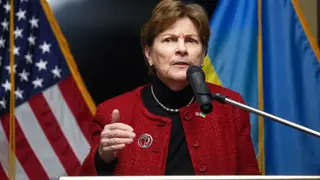
U.S. President Donald Trump's decision to let Russian diesel reach American and global markets drew criticism from Democrats and Republicans in Congress on Oct. 10. Critics said the move could undercut sanctions, generate billions for Moscow, and conflict with congressional efforts to pressure Vladimir Putin over the war in Ukraine. Some lawmakers also questioned whether it would lower U.S. fuel prices and whether it violated a 2022 ban on Russian energy imports.
On Oct. 10, legislators from both parties objected to President Trump’s Oct. 9 plan to let Russian diesel enter U.S. and worldwide markets. They argued it might weaken sanctions, send Moscow billions, and clash with congressional attempts to press Vladimir Putin to halt the war. Some doubted it would reduce American fuel costs, which have risen since the U.S.-Iran conflict.
Critics also raised legal concerns. A 2022 statute barred U.S. imports of Russian energy, with relief linked to Russian troop withdrawal from Ukraine. Lawmakers noted a Sept. 18 sanctions law permits tariffs up to 100% on certain foreign goods. Senators Shaheen, Murkowski, Blumenthal, and Gluesenkamp Perez were among those objecting.
The dispute may affect U.S. drivers if diesel supplies and prices shift, though critics doubt major savings. It could also influence Russia’s war funding and the credibility of U.S. sanctions. Lawmakers, fuel traders, and allied governments may watch whether Congress challenges the move, potentially deepening executive-legislative tensions over Ukraine policy.