Rail Failures Leave Travelers Seeking Updates and Facing Higher Costs
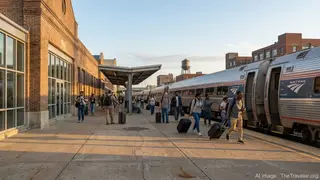
Recent rail disruptions in several countries have stranded passengers and left them searching for reliable information. Many travelers have paid extra for taxis, rideshares, buses, or hotel rooms to finish their journeys. The article cites flooding on the New Haven corridor, a Long Island Rail Road strike, a Sydney overhead-wire failure, and a UK power outage as examples.
In September 2026, flooding from early-autumn storms hit coastal areas of New York, New Jersey and Connecticut, interrupting Metro-North and Amtrak trains on the New Haven line. Services through Norwalk and Bridgeport were delayed or canceled, and travelers often switched to cars, rideshares or intercity buses at elevated last-minute prices.
A May 2026 Long Island Rail Road strike stopped the busiest U.S. commuter rail network, affecting about 250,000 weekday riders. In August, fallen overhead wires near Redfern disrupted Sydney services, while a 90-second power loss in England halted signaling across parts of the northwest and Midlands, causing hours of cancellations and forcing some passengers onto coaches or rental cars.
These disruptions may affect commuters, tourists, and workers who rely on rail for daily trips or connections. When information is delayed or scattered, travelers could face confusion, missed appointments, and extra spending on taxis, buses, or lodging. Communities served by fragile rail links may see reduced confidence in public transport, though the long-term effect depends on how operators improve communication and resilience.