Western Governments Update Saudi Travel Advice After Deadly Riyadh Airport Strike
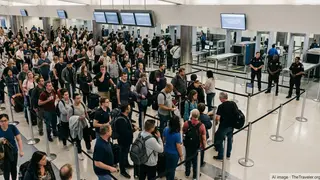
A Houthi missile strike on Riyadh’s King Khalid International Airport killed at least three people and injured dozens, according to published reports. The attack halted airport operations and caused cancellations and diversions before flights largely resumed. Western governments responded by tightening their travel advisories for Saudi Arabia.
A Houthi missile hit Riyadh’s King Khalid International Airport on October 8, killing three Saudi nationals and injuring dozens, including passengers and workers. The strike damaged an aircraft on the ground and temporarily stopped airport operations. Flights were canceled or diverted, some to Jeddah, before service largely returned by Friday with intermittent delays.
The Houthis said they carried out the strike. Over the past ten years, the Yemen-based group has often targeted Saudi sites with drones and missiles, including Riyadh’s airport. Western governments responded by tightening advisories: the United States had already set a Level 3 warning on September 15, while Britain expanded its advice to cover Riyadh province and the Yemen border. France and Germany issued similar cautions.
Travelers, airline crews, business visitors, and Saudi residents may face greater uncertainty when using Riyadh’s airport or booking trips through the kingdom. Stricter government advisories could affect insurance validity, corporate travel approvals, and tour schedules, potentially raising costs or prompting itinerary changes. For people with family or work ties to the region, repeated alerts may add stress and complicate planning, while the aviation sector could see short-term demand shifts if perceived risk remains elevated.