SUTD team's ALBATROSS drone drops from sky, spins to water, then sails
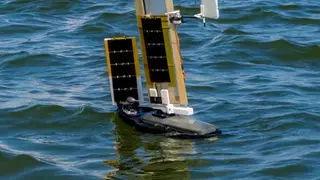
Engineers at Singapore University of Technology and Design have created a 1.107 kg sailboat drone called ALBATROSS. It is released from an aircraft or UAV, uses autorotation to slow its descent, and lands on water without powered flight hardware. After self-righting, it switches to wind-powered sailing and is claimed to have a range over 100 km.
A team of seven engineers at Singapore University of Technology and Design built the 1.107-kilogram ALBATROSS prototype. It is meant to be dropped from a crewed aircraft or uncrewed aerial vehicle, then enter an unpowered spinning descent. Rigid wingsails help generate that rotation, reducing impact forces so the craft can reach water without landing gear.
Once afloat, the vessel is designed to right itself automatically and begin wind-powered travel. Steering comes from a rudder that moves laterally, producing thrust in a manner compared to a fish tail. The team reports an operating range above 100 km, far beyond SailMAV's roughly 7 km, while avoiding separate aerial propulsion or complex mode-switching mechanisms.
This concept could affect ocean monitoring and environmental response by giving aircraft or UAVs a way to place small sensor craft in remote waters without runway or launch infrastructure. Researchers, environmental agencies, and maritime operators may benefit from lower deployment complexity, though real-world reliability, durability, and regulatory approval would determine whether such hybrid drones move beyond prototypes.