Belarusian Identity Under Pressure as Minsk Aligns Closer with Moscow
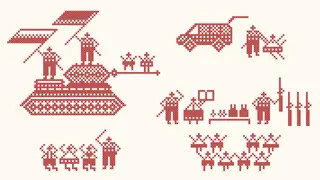
Belarusian shops selling traditional clothing and books are closing as the government intensifies its crackdown on national symbols. After the 2020 protests, the regime relied on Russian support to remain in power and has since suppressed cultural expression. Several festivals have been canceled, and publishers of Belarusian-language materials have been labeled extremist.
After the 2020 election protests were crushed, Lukashenko depended on Russian backing to remain in power. His government then targeted cultural markers: displaying the white-red-white flag or red-and-white combinations brought fines or jail, while people tied to Belarusian-language publishing faced detention or extremist designations.
In July, several retailers of Belarusian food and clothing shut without warning, and festivals devoted to music and history were scrapped. Viasna counts more than 4,500 jailed on political grounds since 2020; 879 remained confirmed in custody by August. Talks involving the Trump administration secured roughly 500 releases over a year, among them a musician and a publisher sent out of the country on September 16.
The closures and detentions may shrink everyday spaces where Belarusians can speak their language and share national symbols, affecting readers, artists, publishers, and festival communities. Some cultural life could move abroad or underground, while closer alignment with Moscow may deepen unease among those wary of losing distinct identity. Recent prisoner releases could bring relief to families, yet continued raids and prosecutions may leave civic groups and independent cultural workers feeling vulnerable.