The Engineering Puzzle of Uphill Water Flow in Roman Aqueducts
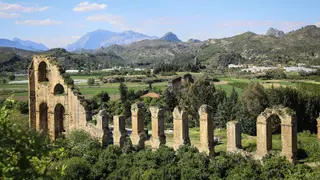
Roman aqueducts relied on gravity to move water across long distances. This article explores how their builders handled routes that seemed to require water to travel uphill. It examines the engineering methods used to keep water flowing despite elevation changes.
This story sits within archaeology and the history of engineering. The material notes that Roman aqueducts used gravity to move water across long distances, and that their builders faced routes that seemed to require water to travel uphill. The article examines the methods used to keep water flowing despite elevation changes. That places it in a wider topic: how ancient societies solved practical infrastructure problems through design and construction.
Readers interested in archaeology, engineering, and ancient history may find this story useful for understanding how past societies approached infrastructure challenges. It could also give educators and science communicators a concrete example for discussing gravity, elevation, and problem-solving. Museums or heritage sites may benefit if the topic encourages public curiosity about Roman engineering. The impact is likely modest and educational rather than immediate or policy-driven.