Polyethylene microplastics linked to fatty liver disease in study
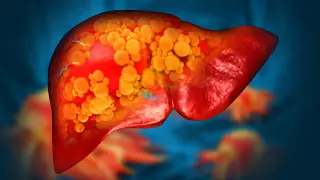
Texas A&M researchers found that polyethylene microplastics may contribute to fatty liver disease and can worsen damage when combined with an unhealthy diet. Polyethylene is one of the most widely produced plastics and is common in packaging and containers. The study suggests these particles interfere with the liver's defense and repair mechanisms.
Polyethylene is the most produced plastic globally, representing roughly a third of all plastic output. It appears in food wrappers, storage containers, packaging, and beverage-cup linings. Microplastic particles have been detected in oceans, drinking water, and human tissues, yet their long-term health consequences remain under study.
The Texas A&M team examined whether polyethylene exposure could promote fatty liver disease, a condition marked by excess fat in liver cells and affecting about a quarter of people globally. They found signs of liver disease rose even without poor diet; when combined with high-fat, fructose-rich, cholesterol-heavy eating, damage indicators were stronger. Polyethylene was long viewed as relatively inert, but these results suggest it may interfere with the liver's protective and restorative functions.
The findings could matter most for people who regularly eat Western-style diets high in fat, fructose, and cholesterol, since combined exposure may worsen liver injury. Because polyethylene is common in packaging and containers, many consumers may face low-level exposure without realizing it. If confirmed, the work might raise awareness among clinicians and the public, encourage more research on microplastic health effects, and increase scrutiny of food-contact materials. It may also add to concerns about environmental pollution's cumulative burden on chronic disease.