Birch tar may have served as medicine for Neanderthals, study finds
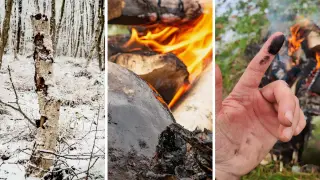
Researchers recreated birch tar using methods attributed to Neanderthals and tested its effects on bacteria. Every sample inhibited microbes that can cause dangerous wound infections. The findings suggest the substance, long viewed mainly as a prehistoric adhesive, may also have had medicinal uses.
The study involved scholars from Cologne, Oxford, Liège, and Cape Breton University. It appears in PLOS One. The team made birch tar from birch bark using techniques linked to Neanderthal archaeology, including heating bark in a covered pit with limited oxygen, a dry-distillation process.
Archaeologists have long found birch tar at European Neanderthal sites, often stuck to stone tools, where it likely helped join blades or points to handles. Ethnographic evidence from traditional communities also records medicinal uses of birch tar, prompting questions about whether Neanderthals used the same material for wound care.
This finding could reshape public perceptions of Neanderthals, portraying them as more medically resourceful than previously assumed. Museum visitors, educators, and archaeology enthusiasts may encounter revised narratives about prehistoric medicine. Researchers studying ancient materials might be encouraged to test other overlooked substances for antimicrobial activity. If further work supports the results, it may also inform discussions about natural products and infection treatment, though it does not imply that birch tar should replace modern antibiotics.