Belgium’s Post-War Modernism Deserves a Closer Look
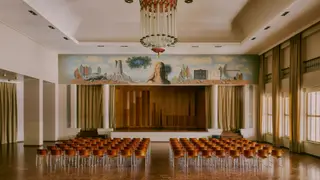
A feature examines Belgium’s post-war architecture and design, a period often overlooked or demolished. It highlights collaborations between architects and artists, including René Magritte’s 1957 mural at the Palais des Beaux-Arts in Charleroi. The article connects these works to the social optimism and housing reforms that followed World War II and Expo 58.
Belgium’s postwar modernism emerged amid optimism around Brussels’ Expo 58, held in April 1958. The fair showcased new materials and technological change, while welfare measures—health cover, unemployment support, pensions, paid leave—and growing tourism shaped expectations. A law passed about ten years earlier had already encouraged homeownership through subsidies and affordable loans.
Designers favored economical materials and modular, faster building methods. Unlike stricter interwar modernism, the postwar approach sought comfort and playfulness: fitted kitchens and bathrooms, enamel door handles, murals, and metro art. Examples include Groupe Structures’ 1979 Pannenhuis station, Hugo Van Kuyck’s Den Bell, and Jean-Pierre Ghysels’ Botanique sculpture.
This story may encourage preservationists, local communities, architects, and city officials to reassess overlooked postwar buildings. Residents could gain a stronger sense of shared history if such sites are documented or protected, while demolition may erase everyday landmarks tied to postwar housing and welfare hopes. Greater awareness might also influence debates over reuse, conservation, and public memory, though practical pressures around development and maintenance may limit change.