Warsh's Hawkish Turn Rattles Treasury Market
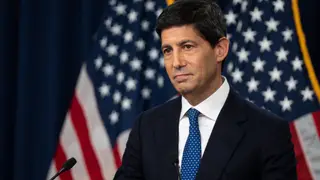
Kevin Warsh, seen as the most hawkish Fed chair since Paul Volcker, has signaled a tougher stance on inflation. After his Jackson Hole remarks and a hot CPI report, the Fed raised rates and projected more hikes, sending long-term Treasury yields to their highest since 2002. September was the worst month for U.S. government bonds in four years, with the 10-year yield climbing to about 5.3%.
Higher long-term yields could raise borrowing costs for households and businesses, making mortgages, auto loans, and corporate credit more expensive. Banks may face renewed pressure from unrealized bond losses, potentially tightening lending. Investors holding long-duration Treasurys and mortgage-backed securities may see further mark-to-market declines. Savers might benefit from better yields on deposits and new bonds, though gains may lag inflation. Housing affordability could worsen if mortgage rates stay elevated, while pension funds and insurers may need to reassess duration risk. The broader economic effect remains uncertain. Count: Higher1 long-term2 yields3 could4 raise5 borrowing6 costs7 for8 households9 and10 businesses,11 making12 mortgages,13 auto14 loans,15 and16 corporate17 credit18 more19 expensive.20 Banks21 may22 face23 renewed24 pressure25 from26 unrealized27 bond28 losses,29 potentially30 tightening31 lending.32 Investors33 holding34 long-duration35 Treasurys36 and3