The Psychology Behind the Sting of Paying at the Pump
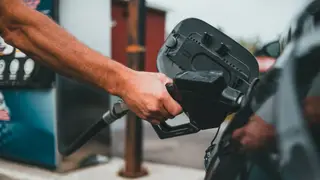
The article explains that paying for gasoline feels especially unpleasant because payment occurs while the fuel is being consumed and the rising total is visible. It draws on research about the discomfort of handing over money, which is strongest when payment and consumption happen together. Drivers may seek cheaper stations when prices rise, but stop comparison shopping once prices fall and the discomfort eases.
The article contrasts gasoline with purchases where payment fades before use, such as coffee drunk later or automatic streaming charges. At the pump, drivers watch each cent accumulate while fuel flows. Prelec and Loewenstein called this discomfort the pain of paying; Lambrecht and Skiera found many internet customers chose flat fees to avoid watching usage-based charges. The taxi meter effect describes similar unease when a visible running cost cannot be stopped.
When fuel prices climb, motorists may use comparison tools or drive farther for cheaper stations, though extra driving can erase savings. As prices fall and discomfort eases, that search reportedly fades. The piece adds that expecting gas prices to rise can make people anticipate broader price increases.
This framing may resonate with drivers who feel every cent at the pump, especially households with tight budgets or limited alternatives to driving. If the discomfort described shapes behavior, higher prices could spur more price comparison and route changes, while