Healthy Brain Aging May Reflect Shifting Priorities, Not Just Decline
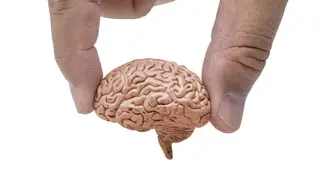
New research from the University of Arizona proposes that healthy aging changes cognitive priorities, moving away from exact details and toward meaning, accumulated knowledge, and experience. The framework, called the adaptive aging hypothesis, suggests the older brain is suited for different roles, such as sharing expertise and maintaining social connections. It also argues that normal aging differs fundamentally from Alzheimer’s disease, which involves pathological processes that disrupt this transition.
The University of Arizona framework draws on cellular research, brain scans, studies of people, and animal experiments. It proposes that later life is not merely prolonged deterioration but a distinct developmental stage. The hippocampus supports memory for particular events, while the frontal cortex manages ideas and wider significance; typical aging shifts reliance toward what is already known and how it is understood.
This normal transition differs from Alzheimer’s disease. Amyloid and tau pathology may disrupt it, and many Alzheimer’s cases show excessive hippocampal activity rather than the reduced emphasis expected in typical aging. The framework suggests older adults may be suited to mentoring, teaching, storytelling, judgment, and passing knowledge across generations.
If this framework gains traction, it could influence how families, employers, and clinicians interpret cognitive changes in later life. Older adults may be seen as contributors of judgment, mentoring, and social knowledge rather than only as people losing memory. That shift might improve intergenerational roles and reduce stigma, while also reminding society that Alzheimer’s remains a distinct disease requiring medical attention. The practical effects, however, would depend on further evidence and how the idea is applied.