MIT Study: Large Solar Farms Slightly Lower Power Bills, Rooftop Solar Tends to Raise Them
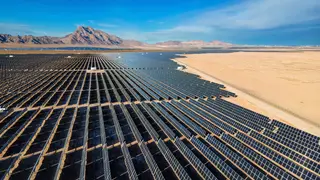
A study from MIT's Center for Energy and Environmental Policy Research found that utility-scale solar farms slightly reduce average consumer electricity bills because they avoid fuel costs. Rooftop solar installations, by contrast, correlate with minor price increases as utilities cover two-way grid upgrades and compensation for exported power. States with more utility-scale solar saw larger bill decreases, while those with high rooftop generation saw increases.
MIT's Center for Energy and Environmental Policy Research compared state grids after adding different solar types. Large solar plants avoid ongoing fuel purchases, so their operating costs fall and average customer bills edge downward. The biggest large-scale buildouts showed the clearest savings.
Rooftop systems create different grid demands. When homes send excess power back, utilities must pay for two-way distribution upgrades and compensate exports, costs often recovered through higher residential rates. Separate research on a major Chinese solar farm found improved soil and more plant and microbial activity beneath panels, though cleaning and equipment wear remain ongoing tasks.
These findings could shape state energy debates by shifting attention toward how different solar approaches affect ratepayers. Households without rooftop panels may benefit from large-scale solar's fuel savings, while they could also absorb costs linked to two-way grid upgrades and export payments. Homeowners with panels might see changing rate structures, and utilities may adjust planning and cost recovery. Policymakers could use the study to weigh incentives, though local grid conditions and implementation choices may alter actual outcomes.