Why failing as an RPG protagonist can be more fun than saving the day
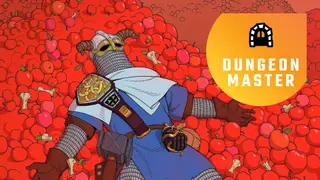
In a PC Gamer RPG column, Fraser Brown argues that role-playing games can be more enjoyable when the protagonist is not an effortlessly competent hero. He contrasts the usual power fantasy with tabletop RPGs that embrace failure and misfortune. Brown says he has come to appreciate playing an ordinary character who keeps messing up.
Fraser Brown’s PC Gamer column, part of the Dungeon Master series, examines how RPGs often promise competence and guaranteed heroism. He contrasts that with tabletop games such as Mothership and Call of Cthulhu, where bad rolls and poor choices are central and often enjoyable.
Brown also notes that some digital RPGs are moving toward this model. He recalls Baldur’s Gate 2, where Jaheira turns on him after morally questionable acts, and points to Baldur’s Gate 3’s dice-driven outcomes and Dark Urge path. He mentions The Blood of Dawnwalker as another example, though he says failure there remains difficult.
This column could resonate with players who feel pressure to optimize or always succeed, and it may encourage designers to treat failure as narrative material rather than punishment. It might also affect tabletop and digital RPG communities by validating ordinary, mistake-prone protagonists, potentially broadening stories beyond power fantasies. Its broader societal impact is likely limited to entertainment culture, shaping how some players discuss heroism, competence, and authorship in games.