Why Food Should Be Treated as Medicine
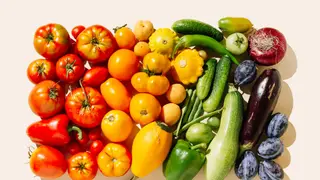
A cardiologist argues that healthy eating is a powerful way to prevent and manage chronic conditions such as heart disease, diabetes, and high blood pressure. Although dietary guidance is clear, many Americans cannot afford or easily access healthier foods, and processed items often contain hidden sodium and saturated fat. The Food Is Medicine movement proposes making low-sodium, nutritious meals as accessible as prescription refills to improve population health.
Nutrition has long been recognized as a key lever for preventing and managing conditions such as heart disease, diabetes, and high blood pressure. The American Heart Association includes better eating among eight essential factors for heart health, and its recent dietary guidance continues to emphasize produce, healthy proteins, whole grains, and limits on sodium, processed foods, and added sugar.
Access remains a barrier: USDA data indicate that almost one in seven U.S. households had trouble getting enough food during 2024. Hidden sodium and saturated fat can appear in foods perceived as healthy, and most adults exceed recommended sodium levels. The Food Is Medicine approach explores medically tailored meals and federal coordination, with early research showing promise.
If Food Is Medicine programs expand, patients with chronic illnesses and food-insecure households may gain easier access to affordable, low-sodium meals, potentially improving blood pressure, diabetes, and heart outcomes. Health systems could face new costs and logistical challenges, while clinicians may need more nutrition training. Broader adoption may shift some spending toward preventive food-based care, though questions about effectiveness, equity, and scalability remain.