Old USB drives need backups before they fail
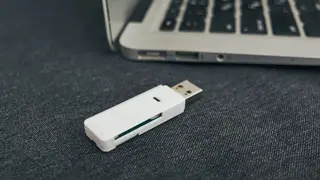
USB thumb drives are highly portable but face risks including loss, physical damage, and limited write cycles. Flash memory can also lose electrical charge over time, leading to bit rot and corrupted data. The article advises copying important files to other storage and considering a move away from aging drives.
Thumb drives have faded for many transfer tasks because messaging apps, email, and wireless sharing handle small files, while cloud storage or larger external SSDs suit bigger ones. Still, their compact size makes them convenient for some users.
Flash memory tolerates only a limited number of writes—often 10,000 to 100,000—so frequent copying can wear a stick down. Stored electrical charge can dissipate over time, altering individual data bits. Connection points and control circuitry may also fail because of impacts, corrosion, dampness, or poor manufacturing. The 3-2-1 approach recommends three copies, two local and one cloud.
Consumers, students, freelancers, and small organizations that still keep files on aging thumb drives may face lost documents, photos, or project archives if those devices fail. Greater awareness could encourage routine backups, diversify storage choices, and reduce reliance on a single portable device. Cloud providers and external-drive makers may see added interest, though cost, privacy, and connectivity concerns could shape adoption. Overall, the story may nudge users toward treating portable flash as temporary rather than permanent storage.