Android Automotive and Google Built-In explained
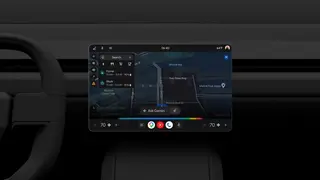
Car manufacturers are increasingly using native infotainment systems instead of relying only on phone mirroring platforms like Android Auto and CarPlay. Android Automotive is an open, customizable full-stack operating system that can manage vehicle functions, while Google Built-In is a related set of in-car Google software and services. Both run without a phone, though signing in with a Google account can improve compatibility.
Android Automotive is an open-source, full-stack platform automakers can adapt. It can control core vehicle systems such as climate, audio, cameras, mirrors, lights, seats, and driver displays. Brands may build their own interfaces and even omit Google branding; Rivian uses the architecture for its Rivian OS without Google-specific marks.
Google Built-in is a licensed app layer added to Android Automotive. Since 2020 it provides Google Maps, Gemini, Play Store, and media apps. Sixteen brands offer it, including Honda, Volvo, Chevy, Nissan, Ford, BYD, Renault. Gemini is replacing Assistant across those brands.
Drivers may gain tighter vehicle integration and phone-free access, but some could feel locked into automaker choices or worry about subscriptions and data use. Automakers may gain new revenue and branding control, while app providers might reach more dashboards. The shift could also widen differences between cars, affecting how people use media, navigation, and climate controls daily.