Modern social fears shape stories about why Neanderthals vanished, historian says
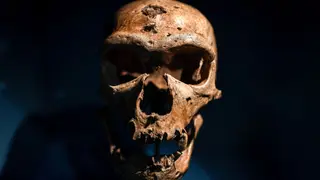
A new book excerpt by historian Peter Sahlins examines how explanations for Neanderthal extinction have often reflected the social and political worries of later eras. Since the first remains were found in the 1800s, views of these ancient relatives have been influenced by geopolitical events and changing ideologies. Sahlins notes that news outlets have sometimes turned technical archaeological research into headlines tied to present-day issues such as immigration.
Peter Sahlins's 2026 book, Neanderthals Among Us, explores how interpretations of Neanderthal disappearance have mirrored later cultural and political concerns. Proposed causes range from violent extermination to peaceful absorption and cultural exchange, while disease and climate explanations have also gained attention.
A 2011 Glasgow Herald article tied a Cambridge study of Upper Palaeolithic population growth to immigration anxieties. The pathogen idea drew fresh interest after COVID-19, and a 2024 viral genome study described a 50,000-year-old herpes case. Recent climate theories invoke the Campanian Ignimbrite eruption near Naples around 39,280 years ago.
This story may encourage readers to question how media and researchers frame human-origins findings, especially when extinction narratives echo current debates about migration, disease, or climate. Museums, educators, and science communicators could use it to highlight how present concerns shape interpretations of the past. It may also prompt archaeologists and journalists to distinguish technical evidence from headline-friendly analogies, affecting public trust and how diverse audiences see humanity's shared ancestry.