Oilfield Wastewater Threatens a New Mexico River as Drought Tightens
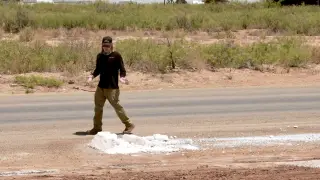
The Pecos River in southern New Mexico is under growing pressure as it crosses the Permian Basin, where oil and gas extraction produces huge amounts of salty, chemical-laden wastewater. This byproduct, called produced water, is trucked to disposal sites and reinjected underground, and state rules prohibit its use outside oilfield operations. Environmental advocates worry that spills or illegal dumping along rural roads could expose people and the river to harmful contaminants.
In New Mexico, oil extraction produces more than three barrels of wastewater per barrel of crude on average. As Permian Basin output has surged, so has this saline, chemically contaminated byproduct, and aging wells tend to generate even more water relative to oil.
State rules bar using this wastewater outside oilfield operations, so companies collect, truck, and inject it deep underground. That disposal method has been linked to increased earthquakes and, when injection wells fail, violent releases of toxic water.
If oilfield wastewater spills or illegal dumping continue, people living, working, or traveling near these rural roads could encounter contaminated mud and water. The Pecos River and its downstream users may also face greater risk if pollutants reach the waterway. Oilfield operators and state regulators could face added scrutiny over transport, disposal, and enforcement, while residents near flaring sites may remain concerned about air quality. The story may sharpen public debate about how far oilfield waste should be allowed to move through drought-stressed landscapes.