Medicare Enrollees to Receive One-Time $90 Rebate, With Many Excluded
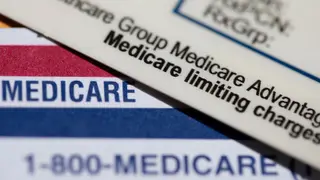
The Trump administration is sending one-time $90 payments to certain Medicare Part B enrollees to help with premiums, at a cost of about $2 billion. Less than one-third of Medicare recipients are eligible, with Medicare Advantage enrollees, many low-income beneficiaries, and some people with disabilities excluded. Critics describe the timing as political ahead of the midterm elections.
The one-time $90 rebate targets roughly 20.8 million people enrolled in original Medicare Part B who live in the U.S., do not get Medicaid premium help, and do not pay income-related adjustments. It is expected to cost about $2 billion. Payments are automatic: most eligible recipients should see direct deposits around Friday, while others receive Treasury checks later in October.
Those left out include about 35 million Medicare Advantage members, plus 12 million lower-income older adults and people with disabilities receiving premium assistance. The money comes from the Medicare Improvement Fund, established in 2008; it was previously redirected to expand Affordable Care Act coverage, but this marks its first use for direct payments.
The rebate may offer modest short-term relief to eligible Part B enrollees, but because many Medicare Advantage, low-income, and disabled beneficiaries are excluded, its broader effect on household medical costs could be limited. The timing before midterms may shape perceptions of healthcare affordability and government assistance, though whether it changes voting behavior or trust in Medicare administration remains uncertain.