Why Stride's gentle reminders beat Google Health for daily step tracking
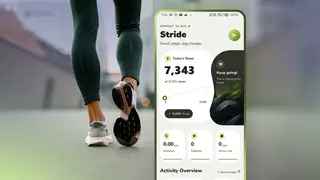
The writer replaced Google Health with Stride after finding that periodic prompts helped them stay active without guilt. Stride provides step tracking and motivational nudges, while the author says previous apps like Simple Step Tracker became easy to ignore. The article frames Stride as a better fit for maintaining basic exercise goals.
The writer returned to fitness tracking by focusing first on daily steps, seeking a simple way to meet basic exercise goals. After using Simple Step Tracker for months, they found it easy to overlook; missed targets produced guilt rather than motivation.
Stride offered a middle ground: a live step count visible on the lock screen and status bar, plus an evening reminder when the 8,000-step target remained unmet. The author notes that Google Health provides more tracking and analysis, yet prefers Stride's less overwhelming approach. They also wish Stride's reminder timing were customizable.
Apps like Stride may influence how people approach everyday activity by making progress visible and reminders gentle rather than guilt-inducing. This could benefit users who struggle with consistency, especially those seeking basic step goals rather than detailed health analytics. It may also shape expectations for fitness apps, pushing developers toward customizable, low-pressure nudges. However, impact depends on individual habits and notification tolerance; some users might still ignore prompts or prefer richer data from platforms like Google Health.