Testing GrapheneOS on a Pixel to see how close a phone can get to Google-free privacy
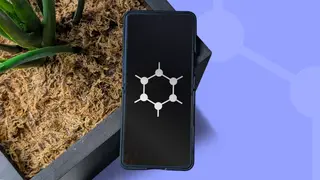
The author installed GrapheneOS on a Pixel 6 to evaluate whether a Google-free mobile experience is practical. GrapheneOS removes Google services by default and adds low-level security hardening, and it has mainly supported Pixel devices because of hardware security features. The experiment found that near-absolute privacy may come with trade-offs such as losing push notifications and some banking features.
GrapheneOS is an Android-derived system built from AOSP that omits Google services by default and adds security hardening at lower levels. Its Pixel focus stems from hardware protections such as the Titan M2 chip; support beyond Pixels is anticipated next year. The writer tested it on a Pixel 6.
The default setup includes a small app store, SMS, Vanadium browser using DuckDuckGo, and basic utilities like camera, clock, contacts, files, gallery, phone, PDF viewer, and settings. Users can add Android Auto, Google Play, Accrescent, F-Droid, Aurora Store, or sideload APKs. Privacy gains may mean no Firebase-based push notifications and no RCS yet.
This experiment suggests stronger mobile privacy may appeal to people handling sensitive data, such as journalists, activists, or security-focused users, but everyday users could face friction with notifications, messaging, and banking. Wider adoption may pressure platform makers to offer more privacy controls, though fragmentation and reduced convenience could limit mainstream uptake.