Gates Calls for Stronger AI Safeguards, Warning of Misuse by Bad Actors
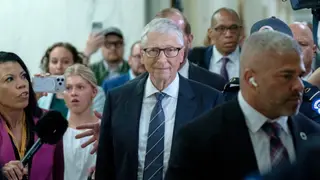
Bill Gates said the most urgent AI risk is malicious use of the technology, especially when safeguards can be removed, rather than a near-term loss of control by developers. He cited cyberattacks and bioterrorism as major threats and argued AI is more dangerous than cars, planes, or drugs, which have stronger regulation. Gates supported a middle path but stressed the need for more controls on advanced models.
Gates made the remarks Sunday on CNN’s “State of the Union.” He said the near-term concern is malicious use of advanced models, especially when safety features can be stripped away. He named cyberattacks and bioterrorism as major dangers. He also said AI poses greater risk than cars, planes, or medicines, which have established oversight.
OpenAI CEO Sam Altman told the U.N. Security Council on Sept. 23 that the industry should avoid extreme doom and pursue a middle course. Gates agreed with that balance but still urged stronger controls. President Trump has rejected urgent AI warnings and stressed U.S. competition with China. A Sept. 29 White House accord with tech leaders relied largely on voluntary company oversight.
Tighter AI safeguards could affect developers, researchers, and the public. Companies may face new compliance and testing duties, while smaller labs could struggle with costs. If controls reduce access to powerful models, malicious misuse may become harder, potentially lowering risks to infrastructure and biosecurity. Yet uneven or voluntary rules may leave gaps. Policymakers, civil-liberties advocates, and security experts could debate how to balance innovation, openness, and public protection.