Detached Sea Cucumber Tissue Survives and Grows for Years in Seawater
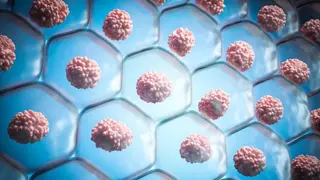
Fragments taken from the feet, body, and tentacles of a cold-water sea cucumber continued to move, reorganize, and grow for over three years in flowing natural seawater. The mouthless explants appeared to absorb amino acids directly from the water, even amid diverse microbes. The long-lived tissue may offer clues about regeneration and sustained cell survival outside a body.
Researchers used Psolus fabricii, a cold-water sea cucumber, and excised tissue from tube feet, body, and tentacles of three individuals. Kept in moving natural seawater, the explants moved on their own, showed immune responses, and reorganized. They were still active more than three years later, when the study ended.
Because the fragments lacked mouths, they may have absorbed amino acids from the surrounding water. That water held diverse microbes and organic material, unlike the bacteria-free axenic cultures used in earlier long-term tissue research. The authors describe it as the first documented instance of removed tissue persisting and expanding for years without strict sterile control.
This finding may interest biomedical researchers exploring tissue survival and regeneration, potentially informing future wound-healing or regenerative therapies. Marine scientists and aquarists could reconsider how marine organisms persist outside bodies. If long-lived explants become useful models, they might reduce reliance on some animal experiments or support aquaculture, though practical applications remain uncertain and years away.