Conflict Zones Are Reshaping Commercial Aviation Risks
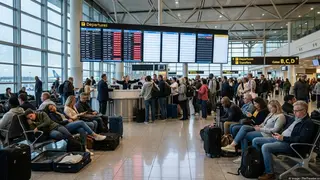
Commercial aviation is increasingly affected by modern conflicts, including missile threats, drones, and electronic warfare. Recent attacks linked to Yemen's Houthi movement targeted Saudi airports, prompting airlines to suspend some services and reroute flights. The incidents show how passenger terminals and overflight corridors can become exposed during regional wars.
The story reflects a shift from aviation’s old image as a space insulated from global conflicts. In early October 2026, Houthi-linked strikes hit Riyadh’s King Khalid International and Abha airports, reportedly using ballistic and cruise missiles plus drones; at least three people died, and debris fell near runways and passenger areas.
Several carriers—Air India, Lufthansa Group airlines, FlyDubai and Pakistan International Airlines—temporarily halted some Saudi services. The FAA already bars U.S. civil flights from Yemen’s Sanaa airspace due to missile and militant threats, while closures around Israel, Iran, Iraq, Jordan and Lebanon have forced longer, costlier routings.
Travelers, airline crews, business travelers, and communities near airports may face heightened uncertainty, longer journeys, and higher costs if airlines keep avoiding certain corridors. Suspensions and reroutings could disrupt tourism, trade, and family travel, while nearby residents might bear safety and economic burdens. Because risks can shift quickly, passengers may see more last-minute schedule changes and fewer nonstop options, though authorities and carriers may adapt with new warnings and route planning.