Study Maps Two-Speed Shift in Northern Iberia’s Iron Age Settlements
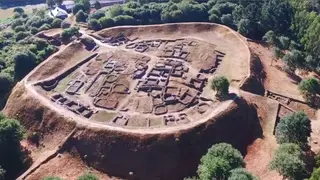
A study indicates that communities in northern Iberia deserted fortified Iron Age sites near 400 BCE and established replacement settlements. The transition unfolded in two phases: the earlier sites were vacated quickly, while the new settlement pattern expanded much more slowly. Samuel Nión-Álvarez of INCIPIT-CSIC reconstructed this chronology using 272 radiocarbon dates.
The study examines a major change in northern Iberia’s Iron Age settlement history. Communities left fortified sites near 400 BCE and created replacement settlements. The transition was not uniform: the earlier fortified sites were vacated quickly, while the new settlement pattern expanded much more slowly. Samuel Nión-Álvarez of INCIPIT-CSIC reconstructed this chronology using 272 radiocarbon dates. The findings offer a detailed timeline for how this regional shift unfolded.
This research could shape how archaeologists, historians, and heritage interpreters describe northern Iberia’s Iron Age past. Local communities and museum audiences may encounter a more precise chronology of settlement change, while students and educators could use it to discuss how societies reorganize. It may also encourage further archaeological work, though its broader social impact would depend on how the findings are communicated and integrated into public history.