What to know before importing a phone from another country
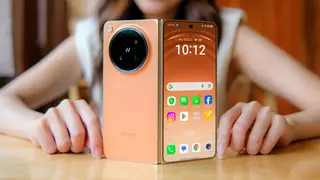
Buying a handset from another country can unlock models and designs that US stores do not carry, but it comes with trade-offs. Shoppers should confirm the device supports their carrier's frequency bands and services such as Wi-Fi calling and VoLTE, since those often require separate certification. They may also face delayed or region-specific software updates, missing Google services on some Chinese models, and limited warranty support in the US.
Imported handsets can offer designs and features rarely sold through US carriers, including foldables from Xiaomi, Honor, and OPPO. Many modern phones support multiple global cellular bands, but a foreign model may still lack the specific frequencies needed for full 5G service on a US network.
Carrier-enabled functions such as Wi-Fi calling, VoLTE, and visual voicemail often depend on device certification, so they may not work even when basic connectivity does. Android updates can also arrive later or differ by market, and some Chinese models omit Google Play Services. US warranty and customer support may be unavailable, leaving third-party repairs as the main option.
Consumers who prize niche hardware may gain more choice, but they could also face connectivity gaps, slower updates, and repair hurdles. Carriers and manufacturers may see little pressure to certify every imported model, so support burdens could shift to buyers and independent repair shops. This may widen a divide between enthusiasts willing to troubleshoot and average users who need dependable service, warranties, and full network features.