Japan's gara-kei phones decline as smartphones dominate
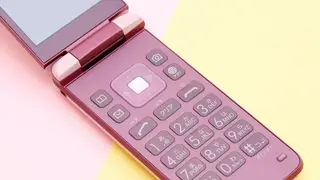
Japan's gara-kei feature phones, known for physical keyboards and local features like One-Seg TV and infrared contact sharing, remained popular long after clamshells declined elsewhere. Smartphone ownership rose from 90 percent in 2021 to 98 percent in 2025, feature phone shipments fell by more than 25 percent to under 400,000 units in the first half of fiscal 2025, and NTT Docomo ended its remaining 3G data service in March. The decline is expected to accelerate.
Japan’s gara-kei take their name from Galapagos keitai, a reference to isolated Pacific islands. Beyond sturdy clamshell designs and tactile keys, they packed One-Seg television reception, infrared contact exchange, bright color options, and lanyard loops. Some models supported light 3G apps, while embedded chips enabled train and grocery payments on inexpensive plans.
Carriers au and SoftBank retired 3G in 2022 and 2024; Docomo followed in March. Its i-mode shutdown reportedly touches roughly 500,000 users, more than 400 handset models, plus car navigation and vending machines. Japan’s 65-and-over share reached 29% in 2024, and Tokyo distributed 3,000 smartphones to seniors in 2021.
The shift may affect older Japanese most, especially those who relied on simple 3G handsets for calls, transit, and payments. As services end, some could face isolation or need retraining through smartphone classes. Younger users seeking distraction-free devices may lose easy access to local features. Car navigation and vending machine operators could also need upgrades.