Network APIs Turn Telecom Identity Checks Into Fraud-Prevention Business
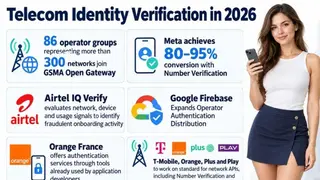
Telecom operators are using GSMA Open Gateway and CAMARA APIs to help banks, fintechs and online platforms verify mobile numbers and detect recent SIM changes. As of March 2026, the GSMA Open Gateway effort had drawn participation from 86 operator groups, covering over 300 networks and 80% of worldwide mobile connections; it also logged more than 300 commercial uses of 20 CAMARA API types in 65 markets. GSMA India research found that 12% of respondents had been scammed in the previous year, underscoring demand for network-based protection.
By March 2026, the GSMA Open Gateway initiative involved 86 operator groups, over 300 networks and 80% of worldwide mobile connections. It also counted more than 300 commercial deployments of 20 CAMARA API categories across 65 markets, with over 60 channel partners. These figures reflect participation and deployments, not universal API availability.
Two relevant network signals are Number Verification, which confirms a phone number matches the authenticated device or connection, and SIM Swap, which flags recent SIM changes for fraud-risk review. GSMA-cited Meta results showed 80–95% conversion for Number Verification versus 60–75% for SMS OTP in leading markets and under 50% in costly or risky ones.
Consumers, banks, fintechs and online platforms could benefit if network-based checks make account recovery, onboarding and payments safer and less cumbersome. Telecom operators may gain new fraud-prevention revenue, while users may face fewer SMS-code delays. Yet such systems may also raise privacy and consent questions, since operator data may be used for risk decisions. The overall effect could depend on transparent permissions, consistent accuracy across networks, and whether these signals supplement rather than replace other identity safeguards.