Montana Dinosaur Auction Could Create Social Security Tax Problem for Retired Rancher
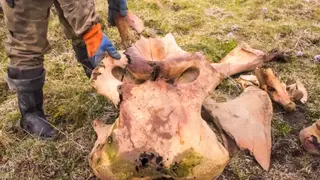
A Montana rancher discovered a large dinosaur skeleton on family land, and it is scheduled for auction at Sotheby’s with an estimated $6 million to $9 million price. Because the proceeds may be treated as a capital asset sale rather than self-employment income, they might not count toward Social Security’s earnings test. However, if the rancher is deemed to be running a fossil business, the IRS could reclassify the income and impose self-employment tax, while capital gains could still affect benefit taxation.
The skeleton, nicknamed Jodi after its discoverer, is nearly 20 feet long and will be offered at Sotheby’s New York on October 27, with an estimated range of $6 million to $9 million. The rancher is 64, began Social Security early, and has a full retirement age of 67.
Under 2026 rules, someone below full retirement age all year has $1 withheld for every $2 earned above $24,480. The earnings test counts wages and net self-employment income, not capital gains, interest, annuities, or investment earnings. If the sale is treated as a fossil business, only net earnings after allowable expenses count.
This case could draw attention from retirees, rural landowners, fossil collectors, and tax advisers because it shows how a single windfall may interact with Social Security and tax rules. A large capital gain might affect benefit taxation, while a business classification could trigger self-employment tax and earnings-test withholding. Families who discover valuable items on private land may therefore seek clearer guidance on documentation, expenses, and intent, potentially shaping how similar finds are handled in the future.