IEA Speeds Up Emergency Oil Releases as U.S. Reserve Draws Watchdog Concern
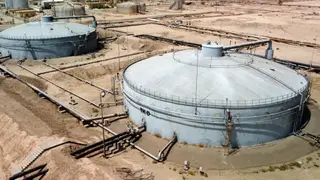
IEA member governments agreed to accelerate the 400 million-barrel release pledged in March 2026, prioritizing diesel as prices surge. The G7 plan includes a coordinated 100 million-barrel release over four months, with much of the diesel front-loaded. Meanwhile, a federal watchdog warns the U.S. Strategic Petroleum Reserve is aging, shrinking, and lacks a target size.
Expanded:
"On Oct. 7, IEA governments agreed to accelerate the 400 million barrels pledged in March 2026 and to favor diesel. That March action, the sixth since 1974 and the largest ever, followed Iran-war disruption to Hormuz tanker traffic. Public emergency stocks have slipped from over 1.2 billion barrels to about 1.1 billion, including more than 200 million barrels of diesel."
Count: On1 Oct2 7,3 IEA4 governments5 agreed6 to7 accelerate8 the9 40010 million11 barrels12 pledged13 in14 March15 2026,16 and17 to18 favor19 diesel20. That21 March22 action,23 the24 sixth25 since26 1974,27 and28 the29 largest30 ever,31 followed32 Iran-war33 disruption34 to35 Hormuz36 tanker37 traffic38. Public39 emergency40 stocks41 have42 slipped43 from44 over45 1.246 billion47 barrels48 to49 about50 1.151 billion,52 including53 more54 than55 20056 million57 barrels58 of59 diesel60. Good 60.
Second paragraph:
"The G7 plan, set after an Oct. 2 leaders’ call led by France, targets 100 million barrels over four months, with diesel front-loaded into 20 days. It urges staggered refinery maintenance and more diesel output. U.S. emergency reserves have fallen to about 284 million barrels, the lowest since 1982, and may reach roughly 243 million. A GAO report cites over 500 million barrels released since 1985 and a maintenance backlog."
Count: The1 G72 plan,3 set4 after5 an6 Oct.7 28 leaders’9 call10 led11 by12 France,13 targets14 10015 million16 barrels17 over18 four19 months,20 with21 diesel22 front