New research narrows estimates of Indigenous population in the Americas before Columbus
Scholars have spent decades trying to calculate the size of Native populations in the Western Hemisphere on the eve of European contact, but no consensus has emerged. New demographic studies indicate that numbers may have been highest hundreds of years earlier than Columbus's voyage. Had colonization begun during that earlier high point, the course of the continent's history might have been markedly different.
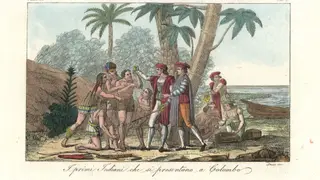
Columbus reached the Bahamas in October 1492 and met Lucayan people there. His journal described many inhabitants who traded and spoke of other island communities. In the following decades, disease, conflict, and forced labor caused a catastrophic demographic collapse across the hemisphere.
For years, scholars have proposed widely different precontact totals, from about one million to 112 million. Henry Dobyns’s 1983 work used land’s assumed carrying capacity and records of sixteenth-century epidemics to argue for the high figure. New demographic work suggests the population may have peaked centuries before European arrival.
Revised population estimates could reshape how museums, educators, and descendant communities present pre-Columbian history. A higher or earlier peak may alter public understanding of Indigenous societies’ scale and complexity, and may influence debates over land, heritage, and historical memory. It could also affect how researchers interpret colonial-era disease and disruption. These are interpretive possibilities, not settled social outcomes.