Spotting Fake PAX Vaporizers: Checks to Make Before You Buy
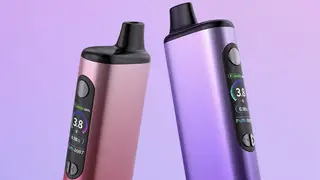
The guide recommends starting with the seller by verifying business details, return policies, warranty support, and authorized-retailer status. It warns that unusually low prices and copied product images can signal counterfeit listings. Buyers are also advised to inspect the device, packaging, and documentation together, since no single visual clue proves authenticity.
PAX devices are marketed around compact, minimalist hardware, which makes authenticity a key concern for online and third-party purchases. Counterfeit versions can mimic branding, packaging, and exterior shape, so a quick look may not reveal problems. Buyers are advised to assess seller, device, packaging, and paperwork as a group rather than relying on one visual sign.
Seller checks include verifiable business contact details, return and warranty processes, consistent feedback, exact model descriptions, and authorized-retailer status. PAX's warranty policy warns that coverage may not apply to unauthorized resellers. Low prices, copied images, vague details, unusual payment requests, poor printing, altered labels, or missing documents can add risk, though each alone is not conclusive.
Shoppers seeking vaporizers may face greater uncertainty online, especially those drawn to discounts or unfamiliar marketplaces. Better seller and packaging checks could reduce financial loss, safety concerns linked to unreliable components, and warranty disputes. Legitimate retailers and authorized sellers may benefit if buyers prioritize verification, while counterfeiters could adapt. Overall, clearer consumer vigilance may shift purchasing toward more transparent sellers, though it cannot eliminate counterfeit availability.