A closer look at Google's Antigravity IDE for AI coding agents
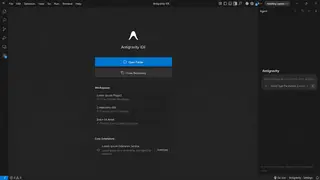
InfoWorld tested Google's Antigravity IDE, an environment that combines code editing, autocomplete, AI assistance, and orchestration of multiple coding agents. The tool relies on Gemini models and can optionally use Claude, while offering planning, project awareness, terminal command execution, and browser-based testing. The article notes that although the IDE may appeal to non-programmers, its advanced agentic features still demand knowledge of software architecture and data concepts.
1 paragraph under 90 words. Measured analysis possible impact on society, who affected and how, framed could/may, never fact, no political advocacy. Need mention developers, non-programmers, teams, education? Impact: tools like Antigravity IDE may lower barriers to software creation, allowing non-programmers to prototype. But advanced agentic features could still favor those with architecture/data knowledge, potentially widening skill gaps. Developers may shift toward oversight, planning, orchestration. Organizations may see faster iteration but need governance/review. Keep under 90. No political advocacy. "could", "may". Let's craft ~75 words. CONTEXT: Tools like Antigravity IDE may make software creation more accessible, letting non-programmers prototype simple apps with AI guidance. Yet its planning and multi-agent features could still reward users who understand architecture, dependencies, and data schemas, potentially preserving or widening skill gaps. Developers may shift toward