Why AI-generated food images can mislead restaurant customers
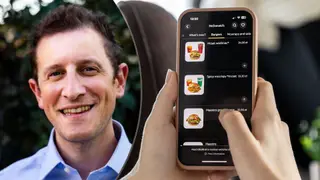
Restaurants are increasingly using AI-generated food photos, which can create unrealistic expectations and misrepresent ingredients, portion sizes, or allergens. Marketing expert Michael Bortinger said believable AI images may be more problematic than obviously fake ones because diners may trust them. He discussed what restaurants should do to ensure menu images reflect the food they actually serve.
Restaurants now commonly display AI-generated food images, not only viral oddities. Some outputs look realistic enough to seem trustworthy. Michael Bortinger, a marketing and partnerships director at Tastewise, said this realism raises the risk: diners may believe the photo accurately represents what they will receive.
For delivery customers especially, photos substitute for seeing food prepared. If an order arrives smaller or missing toppings, they may fault the restaurant, leading to poor reviews and refund requests. Inaccurate images can also misstate ingredients, portions, or allergens, leaving allergy sufferers unsure whether a dish is safe.
Diners relying on menu or delivery photos may face unmet expectations, while people with allergies could be especially affected if images obscure ingredients. Restaurants may see reputational harm through negative reviews and refunds, and delivery platforms could inherit distrust. If AI images become common, customers may grow more skeptical of all food advertising, potentially pressuring businesses to verify or label visuals. The impact could vary by venue and regulation, but trust in everyday food choices may be at stake.