Opinion: State energy policies, not Iran conflict, drive high heating costs
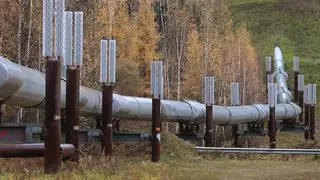
An opinion piece argues that while the Iran war may explain the timing of energy price spikes, state-level policies are the deeper cause of vulnerability. It points to a decline in U.S. refineries and blocked pipelines, including New York's opposition to the Constitution Pipeline. The author says these restrictions limit domestic supply and leave consumers exposed to global oil markets.
The article notes the U.S. now has 130 working refineries, compared with 301 in 1982, and no major new refinery since 1976. It also cites the Northeast's loss of the Philadelphia Energy Solutions facility, about 335,000 barrels per day.
In New York, the proposed Constitution Pipeline would have moved Pennsylvania natural gas 124 miles, including 99 miles of new route in New York. State officials denied a water permit in 2016, courts upheld that decision, and a later application ended in 2025 after incomplete notices. New York City's Local Law 97 also fines large buildings over emission limits, with tighter caps in 2030.
Higher heating, electric, and diesel costs could squeeze households, especially fixed-income families, renters, co-op owners, and small businesses. Truckers and shippers may pass fuel expenses into goods, potentially raising prices for many consumers. The dispute may also intensify state-level debates over pipeline approvals, refinery capacity, and building-emissions rules, with officials weighing reliability and affordability against environmental goals. Because energy markets are global, local policy changes may have limited short-term effects on price spikes, even as they shape long-term supply resilience.