Ancient Inuit Carving May Depict a Norse Explorer
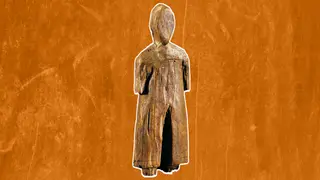
A small wooden carving unearthed in 1977 on Baffin Island is dated to roughly A.D. 1350 and is regarded as the oldest known Indigenous image of a European in the Americas. The 5.4-centimeter driftwood figure wears a long garment with a cross, suggesting it represents a Norse Christian, possibly a Norseman. It is housed at the Canadian Museum of History.
The figurine was found in 1977 in a house on Baffin Island built by Inuit ancestors. Carved from driftwood and just 5.4 centimeters tall, it dates to about 1350. Its blank face and short arms match other Inuit carvings of that era, but its long robe and chest cross set it apart.
The garment resembles Norse Christian dress from Greenland in the 11th–13th centuries. Norse sagas link Leif Eriksson to Helluland, likely Baffin Island. Later Norse contact included trade with the Thule, exchanging metal and cloth for walrus ivory.
This discovery may deepen public interest in early cross-cultural encounters in the Arctic. Inuit communities could see greater recognition of their ancestors’ records of contact, while museum visitors and students may gain a more balanced view of pre-Columbian history. Norse reenactors, educators, and archaeologists might also use it to discuss trade, travel, and Indigenous observation. Its impact remains interpretive, since one small carving cannot represent all encounters.