Vanillin from vanilla shows promise for wound healing and infection control
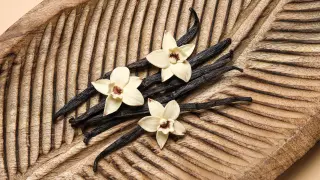
Researchers at Flinders University report that vanillin, the main flavor compound in vanilla, has antioxidant, anti-inflammatory, and antibacterial properties. Its molecular structure may allow it to serve as a crosslinker in medical materials for wound care and tissue repair. The team suggests vanillin could become an inexpensive ingredient in advanced wound treatments and regenerative medicine.
At Flinders University’s Biomedical Nanoengineering Laboratory, researchers reviewed vanillin’s biological actions. The molecule, which provides vanilla pods’ characteristic taste and scent, showed antioxidant, anti-inflammatory, and antibacterial effects. It can also be produced synthetically from clove oil or rice, making it widely available and inexpensive.
Vanillin’s amphiphilic structure lets it serve as a crosslinking agent, joining parts of a medical material. This may help create drug-carrying formulations or tissue-repair supports. Chronic ulcers are hard to treat because inflammation, bacteria, and oxidative stress persist; a multifunctional vanillin-based material might address these overlapping problems, including delivery of hydrophobic drugs.
If further testing confirms these properties, vanillin-based materials could affect patients with chronic wounds or ulcers, clinicians seeking simpler dressings, and developers of affordable medical products. Because vanillin is already common and low-cost, such treatments may be easier to scale than novel specialty ingredients. Benefits would depend on safety, efficacy, and regulatory review, so any societal impact remains speculative and likely incremental rather than immediate.