A Galaxy phone as a coding setup: Termux and DeX mostly work
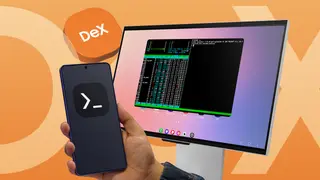
A writer tested whether a Samsung Galaxy S26 Ultra could handle programming work when paired with Termux and DeX. Common development tools such as Git, Node, Python, and SSH ran successfully, though Docker did not. Because Samsung discontinued its official Linux on DeX effort in 2019, Termux served as the main way to get a Linux-like environment on the phone.
Samsung’s DeX provides a desktop-like Android workspace with windows and a taskbar, but it lacks a built-in terminal, package manager, or compiler. The company’s earlier Linux on DeX beta, based on Ubuntu 16.04 and limited to certain Galaxy devices, ended in 2019 and never supported Android 10.
For the S26 Ultra, Termux supplied a root-free Linux-style shell. The writer installed it via F-Droid, updated packages, then added Git, Node.js, Python, and OpenSSH. Docker did not work, and Google’s Linux Terminal app was unavailable on that Snapdragon device. Termux:X11 can also run graphical Linux apps.
This experiment may encourage developers, students, and travelers to treat high-end phones as lightweight coding backups, especially where laptops are inconvenient or unavailable. It could also highlight limits: reliance on sideloaded tools, missing container support, and platform restrictions may keep such setups niche. If mobile Linux environments improve, more people might access programming with devices they already own, though phone-first workflows may not suit every professional task.