Aramco Chief Warns Regional Energy Attacks Pose Global Economic Risk
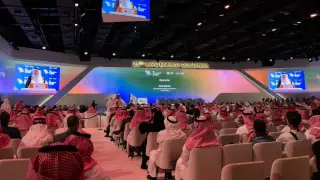
At the WPC Energy Congress in Riyadh, Aramco CEO Amin Nasser said strikes on regional energy infrastructure and disruptions in the Strait of Hormuz are affecting markets worldwide. He called for international cooperation to protect facilities and supply routes, warning that commercial inventories offer only limited protection. Nasser said Saudi Arabia maintained reliable operations through diversified export routes, strategic investments, and digital safeguards, while Aramco explores more export options and storage capacity.
At the 25th WPC Energy Congress in Riyadh, Aramco’s chief executive linked regional strikes and shipping trouble in the Strait of Hormuz to tighter crude and refined-product markets, especially diesel. He said commercial stockpiles can absorb only so much, and that reopening reliable flows is key to calming supply-chain pressure.
He described Saudi operations as steady during the crisis, aided by varied export paths, integrated plants, and digital defenses. Aramco is studying extra crude export routes and more storage abroad. Its iktva program helped source over 90% of restoration materials locally in eight months, speeding repairs. Gas sales are targeted to rise about 80% by 2030 from 2021.
Households and businesses in import-dependent economies could see fuel and freight costs rise if supply routes remain unsettled. Saudi workers and local suppliers may gain from efforts to localize materials and expand gas, though global market volatility could still affect investment and prices. The emphasis on cooperation may shape how governments and firms approach protecting shared energy infrastructure.