Protests and Detentions Follow India’s Voter Roll Revision
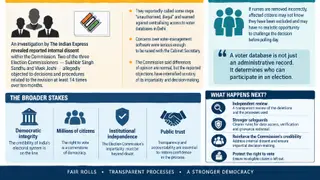
An investigation into internal objections at India’s Election Commission has led to nationwide demonstrations and arrests. More than 130 million names were removed in a voter-verification drive, raising concerns about whether eligible voters are being excluded. On October 12, police restricted parts of New Delhi ahead of an opposition march to the Supreme Court, while critics demanded the chief election commissioner resign.
The Election Commission’s Special Intensive Revision became the focus of a widening dispute after The Indian Express reported on September 25 that two commissioners, Sukhbir Singh Sandhu and Vivek Joshi, had raised objections at least 14 times in ten months. The Commission says its actions are legal and politically neutral.
Around 130 million names were removed, according to Reuters. The ruling BJP cites deaths, moves, duplicate entries and untraceable voters; opponents warn that eligible people may be wrongly excluded. On October 12, Delhi authorities blocked roads and shut six metro stations as opposition groups planned a march toward the Supreme Court.
The dispute could deepen public uncertainty about election fairness, especially among voters whose names were removed or who fear removal. It may also affect opposition parties and civil groups, whose protests and detentions could heighten tensions with authorities. If trust in the Election Commission weakens, participation and acceptance of results may suffer. The outcome may shape how India balances electoral integrity with the right to vote and protest.