The Tunguska blast: what scientists know about the 1908 Siberian explosion
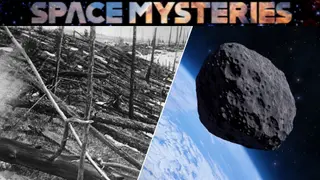
On June 30, 1908, a bright fireball entered the atmosphere over Siberia and exploded, flattening a large area of forest in the Tunguska region. Scientists now think the blast came from a small asteroid, roughly 40 meters wide, that broke apart before hitting the ground. The event remains an important reference for planetary defense because it shows how much damage a relatively small object can cause.
The Tunguska airburst occurred on 30 June 1908, near 7:15 a.m. local time. Witnesses in a remote part of Siberia saw a luminous fireball cross the dawn sky, followed by a flash stronger than sunlight. Shock waves reportedly threw nearby Evenki people to the ground and harmed buildings and animals. Instruments far away registered ground shaking.
Scientific access was slow. War, revolution, and civil conflict, plus the site's isolation, delayed the first successful expedition until 1927, when Leonid Kulik arrived. Investigators found vast areas of flattened forest, while trees near the presumed center remained upright but had lost bark and branches. Researchers now attribute the blast to a roughly 40-meter asteroid that exploded aloft.
The Tunguska case may shape how governments, scientists, and communities think about planetary defense. Because a modest asteroid can cause regional devastation, public awareness and preparedness efforts could grow. People in sparsely populated regions might be most directly vulnerable, while global agencies may use the event to justify monitoring and early-warning systems. It also may influence risk communication, though the rarity of such blasts could make sustained attention difficult.