Nvidia charges employees for cafeteria meals but offers valuable stock perks
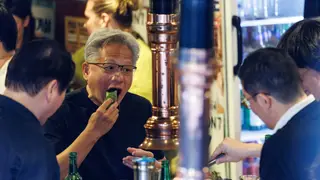
Nvidia, now valued at $5.6 trillion, does not provide free cafeteria meals to employees, though food is subsidized. The company has charged for snacks and some drinks for over a decade, while coffee is generally free. Employees reportedly receive generous stock discounts that outweigh the paid lunch policy.
Nvidia, led by Jensen Huang, is the world’s most valuable company by market capitalization at $5.6 trillion. Its Santa Clara headquarters cafeteria charges for food, though meals are subsidized rather than free. This arrangement reportedly dates back over a decade; a 2014 intern noted roughly $6 meals, equal to about $8.50 today.
Menus have included chicken, pasta, rice, fish and chips, sandwiches, and later social-media posts showed bagels, sushi, açai bowls, omelets, butter chicken, ramen, pizza, and a salad bar. Nvidia’s culinary lead has said its kitchens do not rely on fixed formulas or a central production kitchen. Employees are said to receive sizable stock discounts.
This contrast may shape how tech workers assess total compensation, since meals and equity both affect perceived value. Companies could face questions about cafeteria charges if rivals provide free food, though strong stock awards may offset daily costs. Food-service staff may see steady demand, while employees might weigh small expenses against long-term wealth. Public expectations around workplace perks could gradually shift toward equity over everyday comforts.