California considers new ocean safeguards in landmark marine review
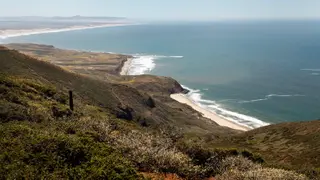
California is reviewing its network of marine protected areas for the first time in 15 years, with officials considering new sites and expansions. Since protections around the Channel Islands began in 2003, roughly 150 square miles of ocean there have become a refuge for kelp forests, fish, and other marine life. Two proposed conservation areas on the Central Coast, Point Sal and Mishopshno, are among the possible additions.
California's marine protected areas work like underwater parks, with rules that vary by site and can restrict fishing, drilling, and seabed disturbance. Where those pressures are eased, advocates say habitats tend to recover, supporting larger fish and more abundant wildlife.
The Channel Islands network dates to 2003 and covers about 150 square miles. This year's review — the state's first in 15 years — weighs new sites and expansions, including Central Coast proposals at Point Sal and Mishopshno, both co-sponsored by Tribes.
The review could reshape how Californians and visitors use stretches of coastline, affecting commercial and recreational fishing, Tribal cultural practices, and local tourism economies. New or expanded protections may boost wildlife recovery and draw divers and researchers, while some fishing communities could face tighter restrictions. Because the proposals elevate Tribal co-stewardship, the outcome may also influence how other states approach ocean governance and consultation with Indigenous nations.