Consumer Drones Move Toward Smarter Cameras and Automated Flight
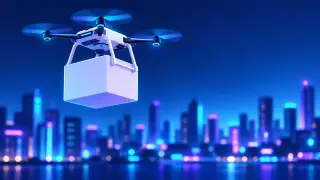
Consumer drones are becoming more capable tools for photography, mapping, inspection, and content creation. Future models are expected to rely more on intelligent automation, allowing them to understand surroundings, plan routes, and help capture or analyze data. Improved cameras, low-light performance, dynamic range, and computational photography could expand their usefulness, while battery life, safety, privacy, and regulation remain key hurdles.
Consumer drones have shifted from specialty flying devices into practical instruments for imaging, mapping, inspection, and content production. Gains in optics, sensors, batteries, and software have made them simpler to fly while broadening their applications.
Upcoming designs may emphasize autonomous assistance over manual control. They could interpret surroundings, choose routes, and help gather or examine data. Camera advances may include better dim-light results, wider tonal range, and automated processing. Compact bodies with stronger sensors and stabilization are also expected.
Easier automation may lower skill barriers for photographers, creators, hobbyists, small firms, and inspectors, letting them capture or analyze aerial data with less training. At the same time, wider use could raise concerns about noise, safety, privacy, and rule compliance, affecting bystanders and regulators. Benefits and tensions may depend on how battery limits, safeguards, and laws evolve.