Justices to weigh internet-era reach of video privacy statute
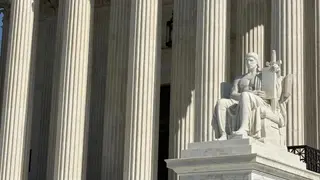
The Supreme Court will hear oral argument in Salazar v. Paramount Global on Wednesday. The case asks whether the Video Privacy Protection Act, enacted after a nominee's video rental history was published, covers online video viewing. Michael Salazar claims Paramount shared his 247Sports viewing data with Facebook through a tracking tool without his consent, but lower courts found he was not a covered consumer.
The law followed a 1987 Washington City Paper piece by Michael Dolan listing videos rented by Robert Bork, then Reagan’s Supreme Court nominee. Public reaction led Congress to pass the VPPA, which prohibits video tape service providers from knowingly sharing personally identifiable consumer information.
Salazar says he subscribed to Paramount’s 247Sports email newsletter, watched videos while logged into Facebook, and a Pixel sent his viewing data to Facebook without consent. Lower courts dismissed, finding he wasn’t a covered consumer; the Supreme Court agreed to hear the case.
A broad ruling could affect how websites and apps share viewing histories with social platforms, potentially altering privacy practices for people who watch online video. A narrow ruling may leave many internet users outside the VPPA’s protections. The outcome may shape compliance costs for media companies and clarify whether old privacy laws reach modern tracking tools. It could influence how courts treat similar data-sharing claims.