Navy turns to robotic mine detection after retiring minesweepers
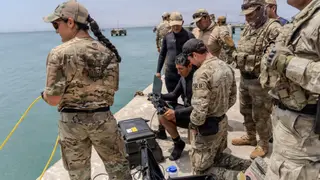
With its minesweepers retired, the U.S. Navy is adopting remote and robotic methods to find and neutralize sea mines. Maritime mines pose risks at key trade and military passages, including the Strait of Hormuz and the South China Sea. Bryan Clark of the Hudson Institute noted that mines are inexpensive and simple to deploy, and that even basic mines can stop vessel traffic until they are cleared.
The U.S. Navy is shifting toward remote and robotic mine-hunting as its minesweepers leave service. In Peru during UNITAS 2026, U.S. and Peruvian explosive ordnance disposal teams practiced limpet mine work and mine countermeasures using a VideoRay Mission Specialist Defender.
Bryan Clark of the Hudson Institute says mines are cheap, easy to make or buy, and simple to scatter. Even unsophisticated devices can halt shipping once detected or suspected, affecting military and commercial movement through narrow passages such as the Strait of Hormuz and the South China Sea.
If mines—or even reports of them—disrupt key waterways, shipping companies, insurers, energy markets, and consumers could face delays and higher costs. Military and commercial vessels may also have to wait or stop until clearance is complete. The turn toward remote and robotic mine detection could reduce risks for explosive ordnance disposal personnel by keeping them farther from danger, though it may not eliminate the broader economic and security effects of mined or threatened passages.