Recycling Could Curb China Grid’s Potent Greenhouse Gas Emissions
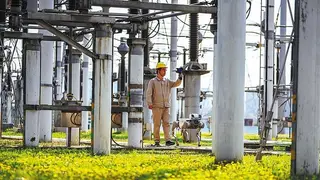
An analysis says China's electric utilities emit large amounts of sulfur hexafluoride, a greenhouse gas thousands of times more potent than carbon dioxide. Recycling the gas could cut those emissions at relatively low cost.
The analysis focuses on sulfur hexafluoride, a gas described as thousands of times more potent than carbon dioxide as a greenhouse gas. China's electric utilities are identified as emitting large quantities of it. Because the gas is so potent, even modest reductions could matter for the sector's overall climate footprint. The proposed approach—recovering and reusing the gas rather than releasing it—is characterized as relatively inexpensive, placing it among the lower-cost options for addressing emissions from the power grid.
If recycling proves as inexpensive as the analysis suggests, utilities and their customers could see emissions reductions without large cost increases. Communities near grid infrastructure might benefit from lower releases of a potent greenhouse gas, though the local effect would depend on how widely recycling is adopted. The broader climate benefit could be modest relative to total emissions but meaningful given the gas's potency. Ratepayers, regulators, and equipment operators may all have a stake in whether such programs are implemented.